Division 296 superannuation tax reform: October 2025 update
As the 2026 Fringe Benefits Tax (FBT) year comes to a close and lodgement season approaches, it is important...


April 9, 2026

As the 2026 Fringe Benefits Tax (FBT) year comes to a close and lodgement season approaches, it is important for business owners and employers to understand where the Australian Taxation Office (ATO) is focusing its attention.
Recent audit activity and updated ATO guidance highlight a number of common business practices now under increased scrutiny, particularly where employers rely on assumptions or incomplete records.
In this article, Adam Brush and Kristin Dimakis outline the key FBT risk areas to be aware of.
Motor vehicle benefits continue to be one of the most closely monitored areas by the ATO.
Common issues that attract attention include:
To meet ATO requirements, a valid logbook must include:
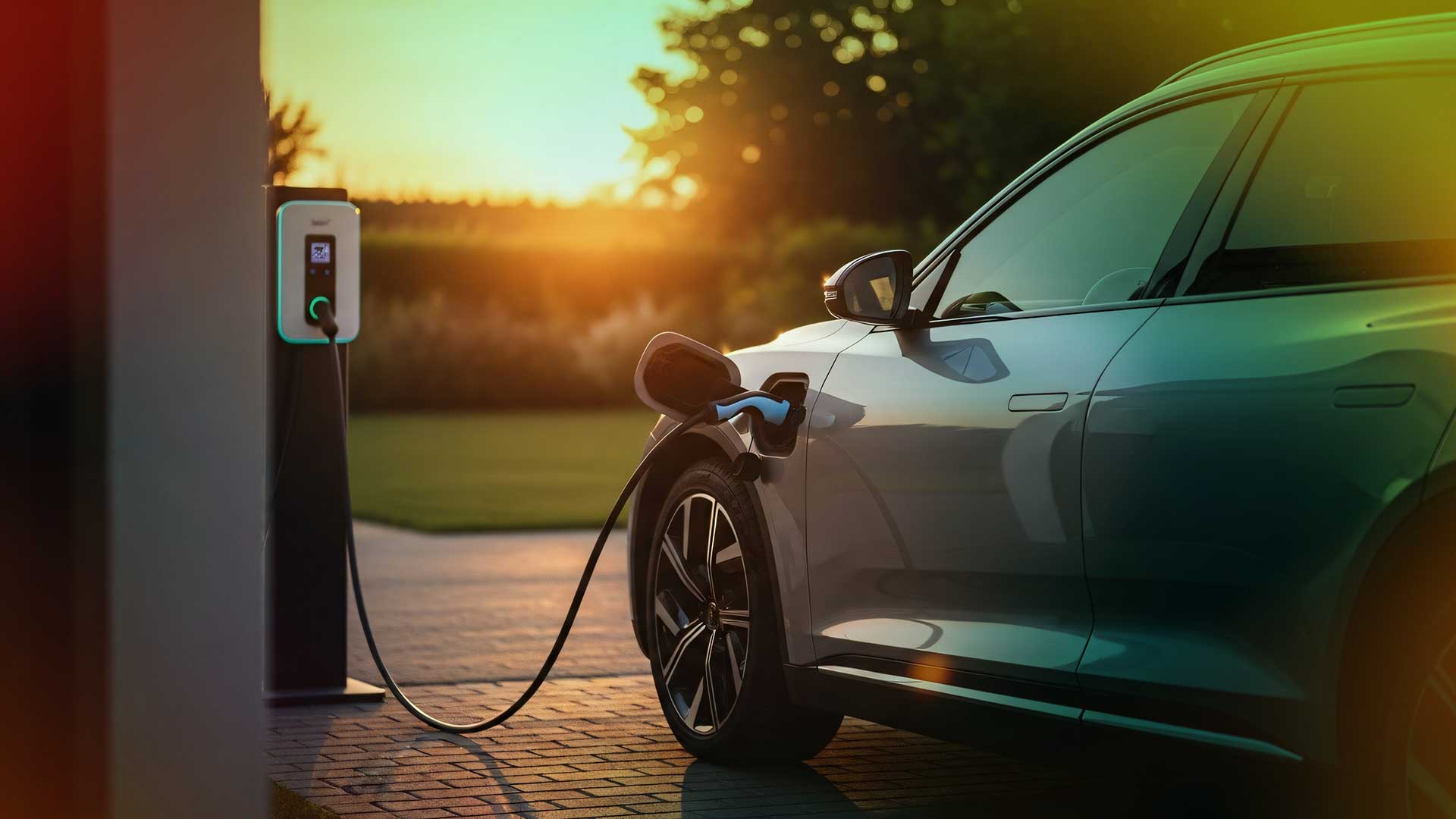
From 1 April 2025, plug-in hybrid electric vehicles (PHEVs) are no longer exempt from FBT.
Employers must now ensure they correctly calculate electricity and running costs in line with ATO guidance. This requires maintaining appropriate records, including:
Some electric vehicle charging systems can track home electricity usage, allowing businesses to separate vehicle-related consumption from general household usage. However, electricity generated from solar panels cannot be claimed.
Electric vehicles continue to use the 4.2 cents per kilometre rate. This rate now also applies to PHEVs under the updated ATO guidance for the 2026 FBT year.

The ATO continues to review how employers treat meal entertainment and employee amenities.
Key risk areas include:
Even minor or infrequent benefits can attract FBT if they are provided regularly or form part of an employee’s overall remuneration.
A consistent theme across ATO audits is inadequate documentation.
Employers must maintain clear and accurate records to support their FBT position, including:
Failure to meet substantiation requirements may result in penalties, interest charges, or default assessments.
Fringe benefits tax is often overlooked, but it can have significant financial implications if not managed correctly.
Understanding your obligations and maintaining proper records is essential to reducing risk and ensuring compliance.
Fringe benefits tax is a tax paid by employers on certain non-cash benefits provided to employees, such as cars, entertainment, or other perks.
Yes, if you are using the operating cost method, a valid logbook is required to substantiate business use and calculate the correct FBT liability.
Some electric vehicles may still qualify for exemptions, but plug-in hybrid vehicles are no longer exempt from 1 April 2025.
Yes, but you must keep accurate records. Electricity generated from solar panels cannot be claimed.
In many cases, yes. Meals may be considered entertainment and subject to FBT depending on how and why they are provided.
At LDB, our accountants and tax advisors, based in Blackburn in Melbourne’s City of Whitehorse, can help you navigate your FBT obligations with confidence.
Call us on (03) 9875 2900 or get in touch online to discuss your situation. You can also follow LDB on LinkedIn for updates on tax, property and financial advice.